
The urgency of addressing global sustainability challenges calls for innovative approaches in science education that go beyond traditional classroom instruction. This workshop shows how non-formal learning environments, such as community-based projects, science museum, field investigations, and collaborative outreach activities—can serve as powerful platforms to promote relevant education in science for sustainability. Workshop participants will involve in interactive discussions, hands-on activities, and case study analyses to examine how non-formal learning can foster systems thinking, problem-solving, and active citizenship. Taking from best practices and lessons learned from international collaborations, the workshop highlights the importance of connecting scientific concepts with local and global sustainability contexts. The session ultimately aims to inspire educators to design transformative chemistry learning experiences that empower students to contribute meaningfully to sustainable development.
Organiser
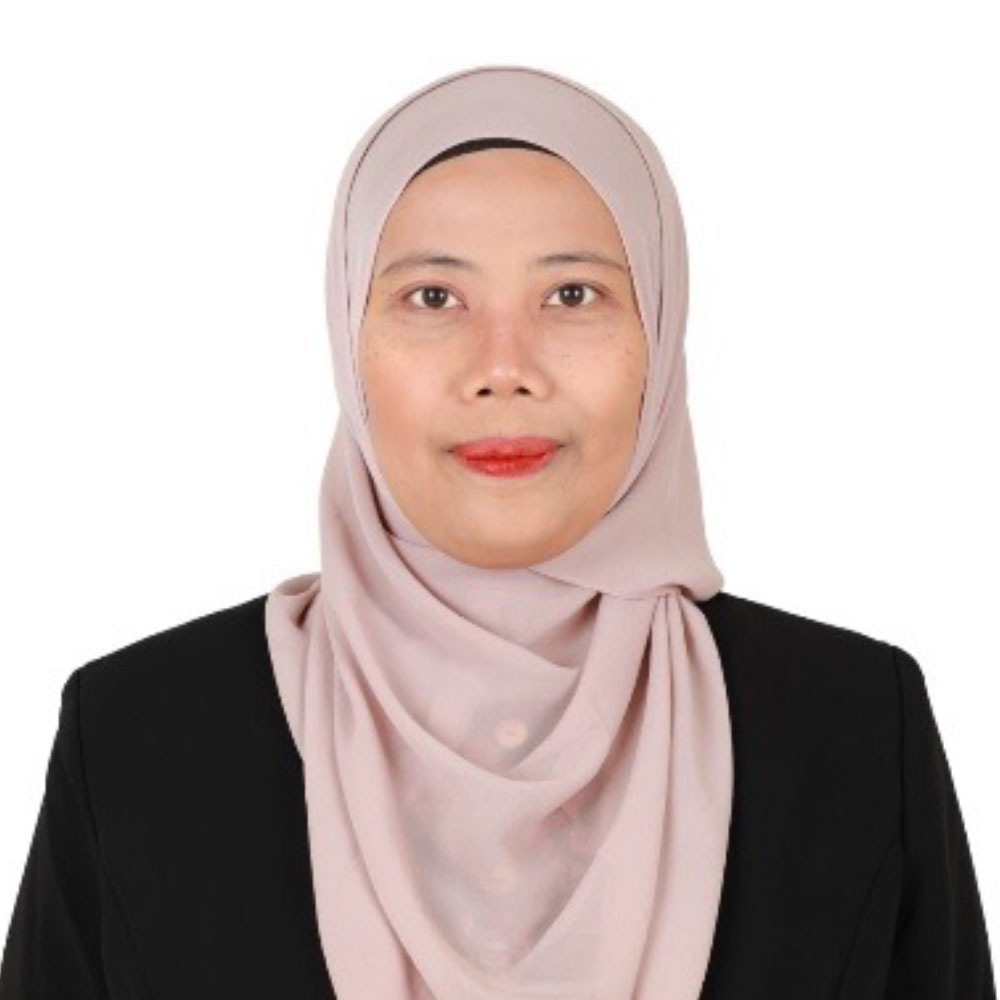
Dr. Safwatun Nida
Safwatun Nida is a lecturer at Science Education Department of Universitas Negeri Malang, Indonesia. Beside teaching in higher education, she has over 15 years of teaching experience, including elementary, junior secondary, as well as senior secondary school level. Nida earned a bachelor degree in chemistry (2006) and master degree in chemistry education (2012) from Universitas Negeri Malang, and doctoral degree in chemistry education (2021) from University of Bremen, Germany. Her research focus and interest are: socio-scientific issue-based science education, science education for sustainable development, community-based science education. She has involved in numerous international and national projects. The latest project is Erasmus + project, Promoting Relevant Education in Science for Sustainability, including 9 universities in Europe and Asia.